The operational efficiency of industrial facilities is determined at the design stage. The characteristics of building materials, the choice of planning solutions and the scheme for interfacing the enterprise with central communications ultimately also determine the safety of the structure. But in addition to technical requirements, the design of industrial enterprises should focus on sanitary and hygienic standards. In other words, only the totality of taking into account existing requirements will allow developers to provide the customer with a modern, energy-efficient, and safe-to-operate enterprise model.
Basic design principles
The development of the project in each case pursues its own special tasks, which take into account the specifics of the enterprise. There are some nuances in creating design solutions for metallurgical enterprises, wood processing enterprises, food industry facilities, etc. Nevertheless, in all cases, authors should be guided by the principles of optimizing the production process, minimizing side effects, increasing efficiency and ensuring safety. Often, some principles conflict with others. For example, the desire to improve the energy efficiency of production often affects the reduction of capacity. In such cases, the design of industrial enterprises should choose the optimal scheme in terms of the same standards.
Design Features of Industrial Facilities
To begin with, a separation should be made between ordinary industrial facilities and special enterprises whose activities are related to explosives. These are categories of industries related to increased fire hazard groups, therefore, for them in each case, special technological standards are applied. In other cases, the general rules of the technical organization of space apply. For example, the total area of an object should be defined as the totality of all areas, including basement, basement and technical. The site of the technical underground should be designed in accordance with the norms of SNiP clause 2.10. This applies to premises with a ceiling height of less than 1.8 m. Also, the design system of industrial enterprises in the case of typical industries should take into account the introduction of automatic fire extinguishing systems. Again, this is mandatory for all facilities, regardless of line of business.
Site selection for construction
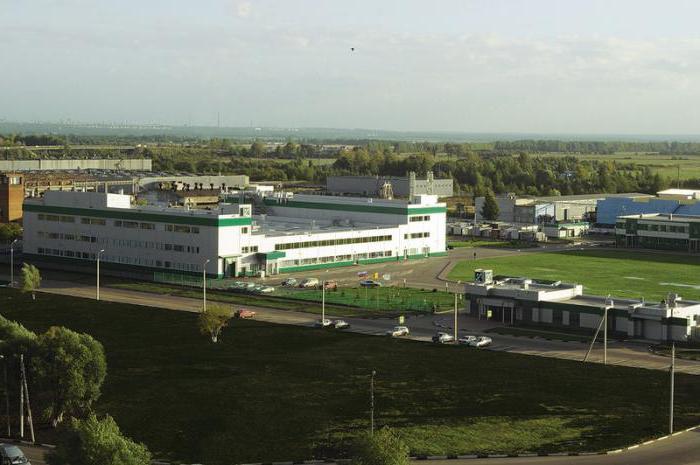
Design work is impossible if there is no idea of the conditions in which the enterprise will be organized. Therefore, the list of designers' tasks also includes the coordination of the location of the future object. According to SNiP, the basic requirement in the choice should be compliance with the general plan of the urban development complex - the location of the enterprise should not contradict the purpose of this site. In accordance with sanitary standards, objects whose work is accompanied by the release of harmful substances, electromagnetic radiation, noise and strong vibrations should not be located in the same sanitary zone with residential buildings. Sanitary standards (SN) 245 extend the restrictive design requirements of industrial enterprises for the most part specifically for facilities that have a harmful effect on the ecological background and the comfort of living. However, if the work of the enterprise does not have such negative factors, then it also allows the location within the sanitary zone.
Standards for the development of planning solutions
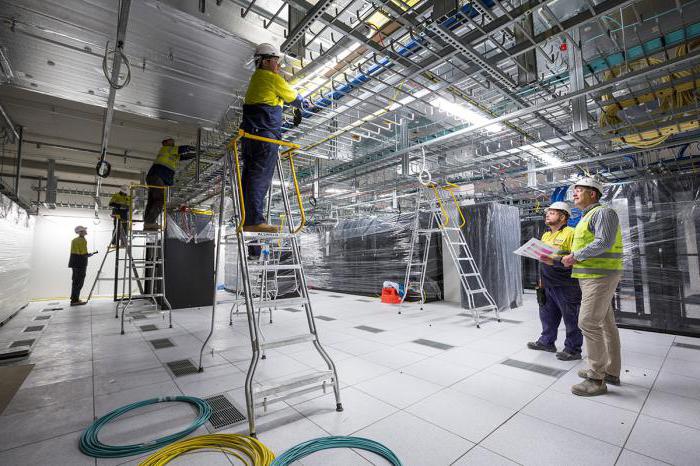
The basis for industrial enterprises is an object-planning solution for which a wide range of requirements is provided. In particular, according to the requirements, the mutual arrangement of the premises is calculated on the basis of the expected intensity of the process flows, cross feed lines, etc. The specifics of each particular enterprise already play a role here. At the same time, the walls of the premises should also provide the possibility of natural light and air flow - at least in cases where this does not conflict with the production process. Often, production facilities are equipped with heat-generating equipment. In this regard, the design of industrial enterprises should take into account the possibility of exceeding the indicators of heat generation to a level of more than 23 W / m 2 . Structures and units with such heat dissipation indicators should be placed near the external, but not internal walls. Often, project developers are faced with the need to create windowless buildings, which initially will lack natural light. In such situations, it should be possible to organize an internal lighting system that is similar in its characteristics to natural.
Engineering Requirements
In industrial buildings, ventilation, air conditioning, lighting and, if necessary, the ability to regulate temperature conditions should be provided. At some facilities, individual communications are part of the process, so they should not be taken into account. For example, it can be a blower that provides cleaning filters with street streams of fresh air. In most cases, it is also planned to design the power supply of industrial enterprises that are connected to main power sources or work directly from generators. The requirements require enterprises to organize backup power supply points as well. It can be autonomous sources of electricity - for example, running on diesel fuel or solid fuel raw materials.
Sanitary standards
The standards of sanitary and hygienic requirements cover issues of environmental impact on the environment, and ensuring the safety of employees. So, for rooms without natural lighting with insufficient biological effect, sanitary standards for designing industrial enterprises require that they provide mandatory artificial lighting, supplemented by an erythema irradiation device. There are also SNiP requirements for the area of such premises - up to 200 square meters. m
At facilities where, due to technological limitations, it is impossible to provide normative ventilation and artificial lighting systems, rest rooms for workers should be provided. These zones are also governed by the rules of SN 245. Sanitary standards for designing industrial enterprises, in particular, indicate that the premises should have natural light supply with a coefficient of at least 0.5%. For periodic recreation, vestibules, halls, corridors and other areas that meet sanitary requirements can also be used.
Design features in cold regions
First of all, the objects planned for construction in the northern part of the country should provide for improved hydro and thermal insulation. But this may not be enough to minimize the influence of cold flows. Therefore, the design standards of industrial enterprises also require that rooms with high humidity should not be placed near the outer walls. Facades, in turn, are designed without belts, niches and other structural parts that can delay precipitation.
Conclusion
The design solution gives the output not only an idea of the layout. Specialists should also give recommendations on the choice of building materials that best meet the regulatory requirements. For example, the design of industrial enterprises may include separate lists of materials for the building frame, decoration, roofing, etc. In the choice, the designers are guided by ensuring the strength and safety of the future structure. The economic factor is also important, which often limits the choice of optimal solutions, but the desire to minimize costs should not contradict the basic technical standards of design and construction.